
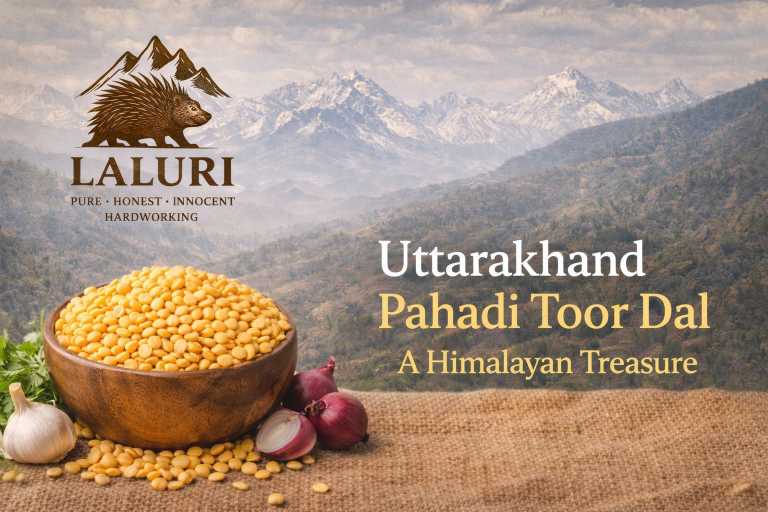
When it comes to nutritious pulses that embody the essence of the Himalayas, Pahadi Toor Dal (also known as Himalayan Pigeon Peas or Arhar Dal) stands as a shining example of nature’s bounty. Grown in the pristine mountain valleys of Uttarakhand at elevations up to 2,000 meters, this remarkable legume has earned its prestigious GI (Geographical Indication) tag—a testament to its unique quality, nutritional superiority, and cultural significance.
Unlike the cream-colored toor dal found in plains, Pahadi Toor Dal is multicolored, primarily light brown with a mix of green legume, a distinctive characteristic that comes from the mineral-rich Himalayan soil. Let’s explore why this ancient pulse deserves a special place in your kitchen and on your plate.
What Makes Pahadi Toor Dal Special?
Pahadi Toor Dal is not just another pulse—it’s a nutritional powerhouse with a rich history spanning over 3,500 years of cultivation in the Himalayan region. The term “Pahadi” means “from the mountains” in Hindi, and this dal truly embodies the purity and strength of its high-altitude origins.
The GI Tag Recognition
On November 8, 2023, Uttarakhand Pahari Toor Dal was awarded the prestigious Geographical Indication (GI) status tag, becoming the first pigeon pea variety from Uttarakhand and the 20th product from the state to earn this distinction. This recognition ensures that only toor dal cultivated in Uttarakhand’s specific regions can be marketed under this name, protecting farmers and consumers alike from imitation products.
The Traditional Barahnaja System
One of the most fascinating aspects of Pahadi Toor Dal cultivation is its integration into the ancient Barahnaja farming system. Barahnaja, which literally means “twelve seeds,” is a traditional system of multiple cropping where twelve types of crops are grown together in a single field to enhance soil fertility, food security, and ecological balance.
This sustainable farming method includes:
- Mandua (Finger Millet)
- Ramdana (Amaranth)
- Rajma (Kidney Beans)
- Toor (Pigeon Peas)
- Urad (Black Gram)
- Gahat (Horse Gram)
- And several other crops
Farmers cultivate toor as a mixed crop, harvesting each crop as it matures, which promotes biodiversity and ensures steady income. This climate-resilient approach has been practiced for generations and is now recognized as “organic by default.”
Where is Pahadi Toor Dal Grown?
Pahadi Toor Dal is grown in all 13 districts of Uttarakhand, with main cultivation areas being Chamoli, Almora, Tehri Garhwal, Nainital, Pithoragarh, and Champawat. The dal is successfully grown up to 2,000 meters elevation, thriving in the region’s unique agro-ecological conditions.
The cultivation regions share common characteristics:
- High Altitude: 1,500 to 2,000 meters above sea level
- Clean Mountain Water: Pure Himalayan streams for irrigation
- Mineral-Rich Soil: Organic matter from forest ecosystems
- Cool Climate: Ideal temperatures with significant day-night variation
- Rainfed Agriculture: Over 55% of the cultivation is rain-dependent
Nutritional Powerhouse: The Health Benefits
Pahadi Toor Dal is a treasure trove of essential nutrients that make it a superior choice for health-conscious consumers. Here’s what makes it nutritionally exceptional:
Rich Protein Content
100 grams of dry pigeon peas contain 343 calories and 21.70 grams of protein, providing 39% of the recommended daily value. This makes it an excellent vegetarian protein source, comparable to soybeans and maize.
High Dietary Fiber
These peas contain 15 grams of dietary fiber per 100 grams, which is 39% of the daily requirement. Dietary fiber acts as a bulk laxative, protects the colon, and helps reduce blood cholesterol levels.
Vitamin and Mineral Wealth
Pahadi Toor Dal is rich in carbohydrates, iron, phosphorous, manganese, and vitamins C, B1, and B9. It’s particularly notable for:
- Iron: Essential for blood cell formation and preventing anemia
- Potassium: 1,392 mg per 100g, helping control blood pressure
- Copper: Important for blood cell production
- Calcium & Magnesium: Supporting bone health
- Folate: Critical for pregnant women and fetal development
Additional Health Benefits
The health advantages of regular Pahadi Toor Dal consumption include:
- Heart Health: Helps build strong bones and teeth, improves immune system, prevents anemia and heart diseases
- Blood Pressure Control: Controls blood pressure and stimulates growth
- Weight Management: Low in calories and high in protein, making it ideal for weight loss diets
- Digestive Health: Improves digestion and promotes gut health
- Blood Sugar Regulation: Helps manage diabetes
- Gluten-Free: Perfect for people with celiac disease or gluten sensitivity
- Anti-inflammatory Properties: Rich in bioactive compounds with anti-inflammatory, antibacterial, antioxidant, anticarcinogenic, and antidiabetic effects
Ayurvedic Significance
In Ayurveda, this grain was used to stop bleeding and for healing sores, highlighting its traditional medicinal importance.
Visual and Taste Characteristics
What sets Pahadi Toor Dal apart visually and culinarily:
Appearance
- Multicolored: Light brown with green tones (unlike cream-colored plains variety)
- Medium-sized: Consistent, uniform shape
- Skin: Intact with visible natural coloring from mountain minerals
Taste Profile
- Earthy Flavor: Deep, nutty undertones
- Unique Aroma: Distinctive mountain fragrance
- Creamy Texture: Cooks to perfect consistency without becoming mushy
- Quick Cooking: Despite high-altitude growth, cooks faster than regular toor dal
- Better Absorption: Readily absorbs spices and flavors
Why Choose Pahadi Toor Dal Over Regular Toor Dal?
1. Organic by Default
Most farming activities in Uttarakhand’s Himalayan valleys are done manually due to high altitude and slopes, with generations employing traditional cultivation methods. This means:
- No chemical fertilizers
- No synthetic pesticides
- Natural organic farming practices
- Environmentally sustainable
2. Superior Nutritional Profile
The combination of high altitude, mineral-rich soil, and pure mountain water creates dal with:
- Higher nutrient density
- Better bioavailability of minerals
- More complex flavor compounds
- Enhanced protein quality
3. Climate-Resilient Cultivation
The Pahari Toor Dal is well-suited to Uttarakhand’s agro-ecological conditions and can yield up to 1,800 kg per hectare. It grows well in:
- Low soil fertility areas
- Rainfed conditions
- Drought-prone regions
- Terraced mountain farms
4. Cultural and Traditional Value
This dal has been part of Uttarakhand’s food culture for millennia, representing:
- Ancestral farming wisdom
- Heirloom genetic diversity
- Traditional food security systems
- Cultural heritage preservation
5. Sustainable and Ethical
Choosing Pahadi Toor Dal supports:
- Small-scale hill farmers
- Traditional farming methods
- Biodiversity conservation
- Rural mountain economies
How to Cook Pahadi Toor Dal
Basic Preparation
Soaking: Soak dal for 2-4 hours or overnight for best results (though it cooks faster than regular toor dal)
Cooking Methods:
- Pressure Cooking: 15-20 minutes after first whistle
- Stovetop: Simmer for 30-40 minutes until tender
- Slow Cooker: 2-3 hours on high
Traditional Pahadi Style Recipe
Ingredients:
- 1 cup Pahadi Toor Dal (soaked)
- 3 cups water
- 1 tsp turmeric powder
- Salt to taste
- 2 tbsp ghee or mustard oil
- 1 tsp cumin seeds
- 2-3 dried red chilies
- Pinch of asafoetida (hing)
- 2 tomatoes (chopped)
- Fresh coriander leaves
Method:
- Pressure cook soaked dal with water, turmeric, and salt
- Prepare tempering: heat ghee, add cumin seeds, chilies, and asafoetida
- Add chopped tomatoes and cook until soft
- Pour tempering over cooked dal
- Garnish with coriander leaves
- Serve hot with rice, roti, or steamed vegetables
Recipe Variations
- Dal Fry: Sauté onions, ginger-garlic paste before adding dal
- Sambar: Add vegetables and South Indian spice mix
- Dal Curry: Make it soupy with more water and serve with rice
- Dal Khichdi: Cook with rice for a complete meal
Supporting Mountain Communities
When you purchase authentic Pahadi Toor Dal from Laluri.com, you’re making a difference beyond just healthy eating:
Direct Impact on Farmers
- Fair prices for small-scale mountain farmers
- Sustainable livelihoods in remote Himalayan villages
- Encouragement of traditional organic farming
- Prevention of migration from hills to cities
Environmental Benefits
- Preservation of heirloom seed varieties
- Conservation of Barahnaja farming system
- Protection of mountain ecology
- Reduction in chemical agriculture impact
Cultural Preservation
- Keeping traditional knowledge alive
- Supporting indigenous farming practices
- Maintaining agricultural biodiversity
- Preserving Uttarakhand’s food heritage
How to Identify Authentic Pahadi Toor Dal
With growing popularity, it’s important to ensure you’re getting genuine Pahadi Toor Dal:
✓ Color: Multicolored (light brown with green), not uniform cream color ✓ Size: Medium, consistent size ✓ Source: Purchase from verified sources like Laluri.com working with Uttarakhand farmers ✓ Certification: Look for GI tag reference ✓ Texture: Should have natural skin intact ✓ Price: Premium quality comes at fair prices—suspiciously cheap dal is unlikely to be authentic ✓ Packaging: Should mention specific Uttarakhand region/district ✓ Aroma: Distinctive earthy, mountain fragrance
Storage Tips
To maintain freshness and nutritional value:
- Store in airtight containers
- Keep in cool, dry place away from sunlight
- Use within 6-12 months for best flavor
- Can be refrigerated in hot, humid climates
- Ensure container is moisture-free to prevent fungal growth
Pahadi Toor Dal vs. Other Pulses
| Feature | Pahadi Toor Dal | Regular Toor Dal | Other Pulses |
|---|---|---|---|
| Origin | Uttarakhand hills | Plains | Various |
| Altitude | Up to 2,000m | Sea level | Varies |
| Color | Multicolored | Cream/Yellow | Various |
| Farming | Organic, traditional | Often chemical-based | Mixed |
| Protein | Very High | High | Varies |
| Cooking Time | Faster | Standard | Varies |
| Flavor | Earthy, nutty | Mild | Various |
| Price | Premium | Standard | Varies |
| GI Tag | Yes | No | Some |
The Science Behind Mountain Nutrition
The superior quality of Pahadi Toor Dal isn’t just marketing—it’s backed by science:
High-Altitude Agriculture Benefits
- Slower Growth: Extended growing season (120-150 days) allows more nutrient accumulation
- UV Exposure: Higher UV radiation at altitude increases antioxidant production
- Temperature Stress: Day-night temperature variations enhance flavor compounds
- Clean Environment: Absence of industrial pollution preserves nutrient integrity
Soil Mineralogy
Mountain soils enriched with:
- Glacial mineral deposits
- Forest leaf litter
- Natural rock weathering
- Organic matter from diverse vegetation
Water Quality
Pure Himalayan water provides:
- Essential trace minerals
- Optimal pH balance
- Natural irrigation without chemical contamination
- Consistent moisture in rainfed conditions
Testimonials from Health Experts
Nutritionists and dietitians recommend Pahadi Toor Dal for:
- Diabetes Management: Low glycemic index helps regulate blood sugar
- Heart Health: Potassium and fiber support cardiovascular function
- Weight Management: High protein and fiber promote satiety
- Pregnancy Nutrition: Rich folate content supports fetal development
- Bone Health: Calcium and magnesium strengthen bones
- Anemia Prevention: High iron content boosts hemoglobin
The Laluri.com Commitment
At Laluri.com, we bring you 100% authentic Pahadi Toor Dal directly from Uttarakhand’s mountain farmers. Our promise includes:
✓ Authenticity Guaranteed: Sourced directly from GI-tagged regions ✓ Organic Cultivation: Traditionally grown without chemicals ✓ Fair Trade: Fair prices that benefit mountain communities ✓ Quality Checked: Each batch tested for purity and quality ✓ Freshness Assured: Proper storage and quick delivery ✓ Traceability: Know exactly which district your dal comes from ✓ Supporting Tradition: Every purchase helps preserve Barahnaja farming
Cooking Tips for Best Results
- Pre-soaking: While Pahadi Toor Dal cooks faster, soaking still improves digestibility
- Water Ratio: Use 3:1 water to dal ratio for perfect consistency
- Turmeric Addition: Always add turmeric while cooking for better digestion
- Tempering: Use ghee or mustard oil for authentic mountain flavor
- Seasoning: Mountain dal pairs beautifully with minimal spices—let its natural flavor shine
- Pressure Cooking: Don’t overcook—it becomes mushy beyond 20 minutes
- Pairing: Best with steamed rice, millet roti, or local Uttarakhand breads
Seasonal Availability and Harvest
Pahadi Toor Dal is typically:
- Planted: During monsoon season (June-July)
- Harvested: October-November
- Dried: November-December
- Available: Year-round through proper storage
- Fresh Crop: Best purchased between December-March
Beyond the Kitchen: Other Uses
Traditionally, pigeon pea plants serve multiple purposes:
- Fodder: Leaves and stems for cattle feed
- Mulch: Plant residue for soil enrichment
- Green Manure: Nitrogen fixation for soil fertility
- Erosion Control: Roots prevent soil erosion on mountain slopes
- Boundary Crop: Natural fencing for terraced fields
The Future of Pahadi Toor Dal
With increasing global recognition of:
- Mountain agriculture sustainability
- Organic food importance
- Traditional farming wisdom
- Climate-resilient crops
- Nutritional security
Pahadi Toor Dal is positioned to become a globally recognized superfood, much like quinoa or chia seeds. The GI tag protection ensures that this recognition benefits the farmers who have preserved this heritage for millennia.
